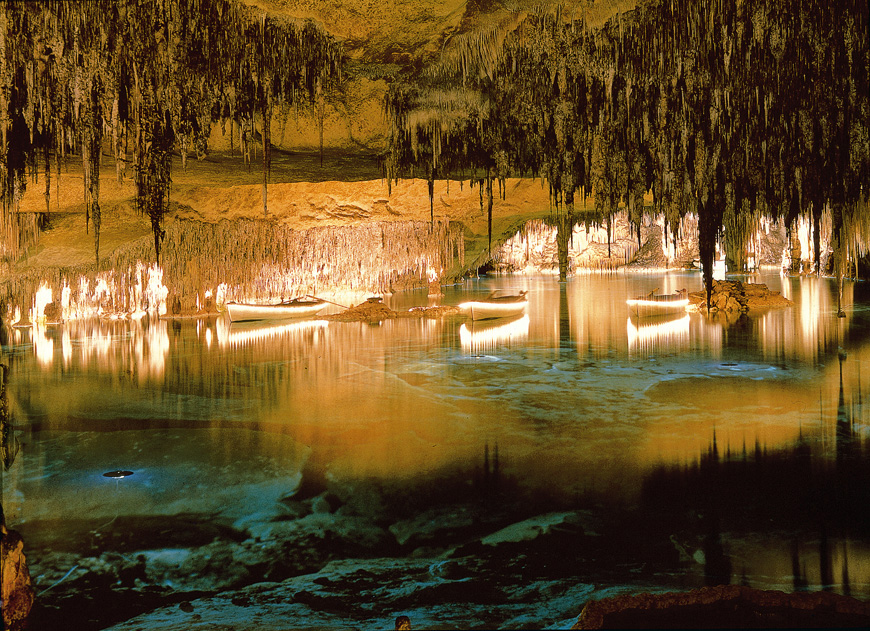
Hidden beneath the Sierra Almijara mountains, just a few kilometres from the Mediterranean coast, the Cueva de Nerja stands as one of Spain's most extraordinary natural monuments. With over five kilometres of mapped passages, cathedral-like chambers, and formations that span millions of years of geological activity, it offers a rare window into the deep history of the Iberian Peninsula.
A Story of Discovery
The modern story of Cueva de Nerja began on January 12, 1959, when five young men from the nearby town of Maro set out to explore a narrow opening known as "La Mina." What they found was far beyond anything they expected: a vast underground world of galleries, towering columns, and silent chambers untouched for millennia.
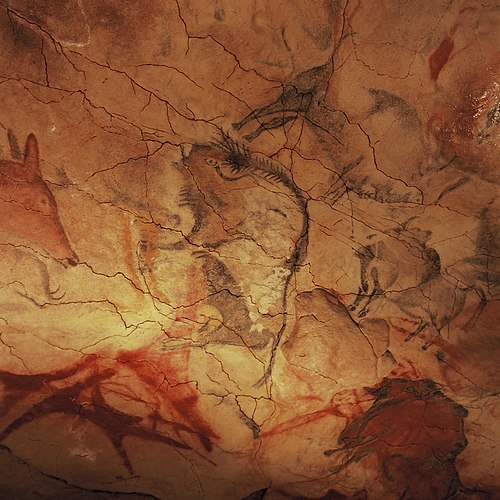
The cave was opened to the public just one year later, in 1960, and quickly became one of Andalusia's most visited natural sites. Archaeological research has since revealed that the cave was inhabited by prehistoric peoples as far back as 25,000 years ago, with paintings and artefacts discovered in its deeper sections.

What to Expect Inside
The public tour route covers approximately one-third of the known cave system. The galleries open to visitors are divided into several distinct halls, each with its own character and formations:
The Hall of the Nativity
Named for a formation that resembles a nativity scene, this is the first major chamber visitors encounter. The relatively low ceilings create an intimate atmosphere, with stalactites reaching down like stone curtains.
The Hall of Phantoms
A dramatic space where towering stalagmites cast unusual shadows under the lighting system, giving the hall its evocative name. Some columns here have been growing for over a million years.
The Cataclysm Hall
The largest chamber open to the public, this immense space holds what is recognised as the world's largest known stalagmite. Measuring 32 metres tall with a base diameter of 13 metres by 7 metres, it dominates the room like a natural pillar holding up the mountain above.
Standing in the Cataclysm Hall, surrounded by formations millions of years in the making, you begin to understand how small human timescales are compared to the patience of geology.
Geological Significance
The cave was formed through the gradual dissolution of marble and dolomite by slightly acidic groundwater over the course of approximately five million years. The process of speleogenesis here is ongoing: water continues to seep through microscopic fractures in the rock, depositing calcium carbonate and slowly extending the cave's already impressive array of formations.
The cave's internal temperature remains remarkably stable throughout the year, hovering between 18 and 19 degrees Celsius with nearly 100 percent humidity. This controlled environment has allowed delicate formations, such as soda straw stalactites, to survive intact for thousands of years.
Archaeological Heritage
Beyond its geological importance, Cueva de Nerja holds significant archaeological value. Excavations have uncovered evidence of human occupation spanning the Upper Paleolithic to the Neolithic periods, including stone tools, animal bones, and charcoal from ancient fires.
Some of the most notable discoveries include wall paintings that may date back over 40,000 years, though access to these deeper galleries is restricted to protect the fragile art. If confirmed, these would rank among the oldest known cave paintings in the world, predating even the famous works at Altamira and Lascaux.
Practical Information
| Location | Carretera de Maro, s/n, 29787 Nerja, Malaga, Andalusia |
| Opening Hours | 9:30 AM - 4:00 PM (winter), 9:30 AM - 6:30 PM (summer) |
| Tour Duration | Approximately 45-60 minutes |
| Temperature Inside | 18-19 degrees Celsius year-round |
| Accessibility | Some sections have uneven surfaces and steps; not fully wheelchair-accessible |
| Nearest Town | Nerja (approx. 4 km) |
| Official Website | cuevadenerja.es |
Tips for Your Visit
The cave is busiest during mid-morning hours in peak season. Arriving early or scheduling an afternoon visit can help you avoid the largest crowds. Comfortable footwear with non-slip soles is strongly recommended, as sections of the walkway can be damp.
Photography without flash is generally permitted, though a tripod is useful given the low light conditions. The cave's natural lighting has been supplemented by a carefully designed system that highlights key formations without damaging them.
If you are driving, ample parking is available at the cave entrance, and the surrounding gardens and viewpoints over the Maro cliffs are worth exploring before or after your tour.
Cultural Events
Each summer, the entrance to Cueva de Nerja transforms into an open-air concert venue. The Annual Festival of Music and Dance, held since 1960, takes advantage of the natural acoustics and dramatic setting to host performances ranging from classical music to flamenco.