
Explore Spain's Underground Wonders
From ancient Paleolithic galleries to crystal-clear underground lakes, discover the hidden geological treasures beneath the Iberian Peninsula.
Discover CavesFeatured Caves and Grottos
Spain is home to some of Europe's most impressive cave systems, each offering a unique glimpse into millions of years of geological history.

Cueva de Nerja
Stretching over five kilometres near the coast of Malaga Province, Cueva de Nerja features cathedral-like chambers filled with extraordinary stalactites and one of the world's largest stalagmites. Discovered in 1959, this cave attracts hundreds of thousands of visitors annually.
Read Full Guide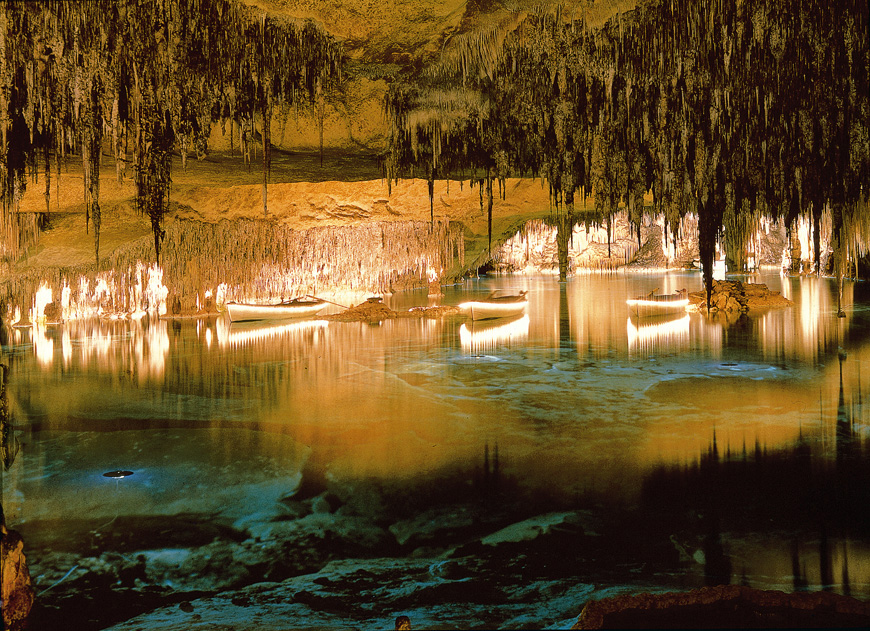
Cuevas del Drach
Located on the island of Mallorca, the Dragon Caves feature one of the world's largest underground lakes. Classical concerts on illuminated boats make this a truly unique experience.
Read Full Guide
Cave of Altamira
A UNESCO World Heritage Site, Altamira is often called the "Sistine Chapel of Paleolithic Art." Its polychrome ceiling paintings date back over 14,000 years.
Read Full GuidePlanning Your Cave Visit
Visiting Spanish caves requires a bit of preparation to ensure a comfortable and safe experience. Most tourist caves maintain a constant temperature between 14-20 degrees Celsius year-round, regardless of the outdoor weather.
- Wear comfortable walking shoes with good grip on potentially slippery surfaces
- Bring a light jacket even in summer, as underground temperatures are typically 14-18 degrees
- Book tickets in advance during peak season (June to September)
- Photography policies vary by cave, so always check before your visit
- Most guided tours last between 45 minutes and 1.5 hours

Beyond the Main Attractions
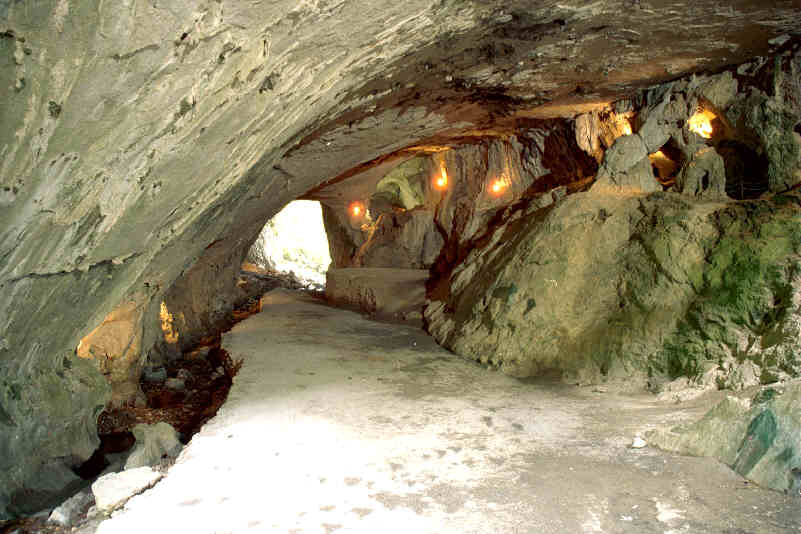
While the most famous caves draw the largest crowds, Spain has countless lesser-known grottos waiting to be explored. From the legendary Witch Cave of Zugarramurdi in Navarra to the Coves d'Arta in eastern Mallorca, each region offers its own underground surprises.
The Iberian Peninsula's limestone geology, shaped over millions of years by water erosion and tectonic activity, has created one of Europe's richest cave landscapes. Many caves remain active, with formations still growing at imperceptibly slow rates.
Learn More About Us